A question the student can own
Broad interests are narrowed into a specific problem with a measurable boundary.

ISEF-LEVEL RESEARCH MENTORSHIP · DIRECTLY WITH DR. LI
Based in Guangzhou, China · Online mentorship worldwide
I guide high school students from an early interest to a focused research question, rigorous evidence, and a project they can genuinely explain and defend. Every decision remains the student's own.
WHY I MENTOR
2009I boarded a flight to North America alone and began my doctoral journey.Years of doctoral and postdoctoral research taught me that science is not simply about following a protocol or obtaining the expected result. It is about asking a meaningful question, working through uncertainty, and changing direction when the evidence demands it.
This is the part of research I now want to pass on. I do not begin by handing a student a polished project title. I help the student turn curiosity into a question they can understand, investigate, and defend as their own.
My goal is not simply to help a student complete a project. It is to help the student begin thinking like an independent researcher.
HOW I MENTOR
Broad interests are narrowed into a specific problem with a measurable boundary.
Variables, controls, replication, feasibility, and safety are considered before experimentation.
The student learns to explain the rationale, data, uncertainty, limitations, and next step.
3-MINUTE RESEARCH READINESS CHECK
This private, non-diagnostic check looks at research habits, available time, project stage, and student ownership—not intelligence or admission potential.
The result identifies the student's current stage, visible strengths, likely gaps, and four appropriate next steps.
SELECTED OUTCOMES
Aggregated, anonymized records through 2026. Student identities and full project details remain private.


ISEF GLOBAL FINALISTS
22025 × 1 · 2026 × 2. Projects strengthened through scope, controls, evidence, and defense review.
View anonymized record ↗4Competition records through 2026, supported by original data and clearly defined claims.
View anonymized record ↗2Two projects received first-place recognition at regional science fairs through 2026.
View anonymized record ↗SELECTED STUDENT OUTCOMES
Students mentored by Dr. Li have received these offers. Admission reflects each student's complete academic and personal record; research mentorship does not guarantee an admission outcome. University names are shown only to identify reported admission destinations and do not imply affiliation or endorsement.
No publication, award, competition advancement, or admission result is guaranteed. Dr. Li is not affiliated with or endorsed by Regeneron ISEF or Society for Science.
RESEARCH DIRECTIONS
Each direction is selected only after feasibility, safety, available resources, and student readiness are reviewed.
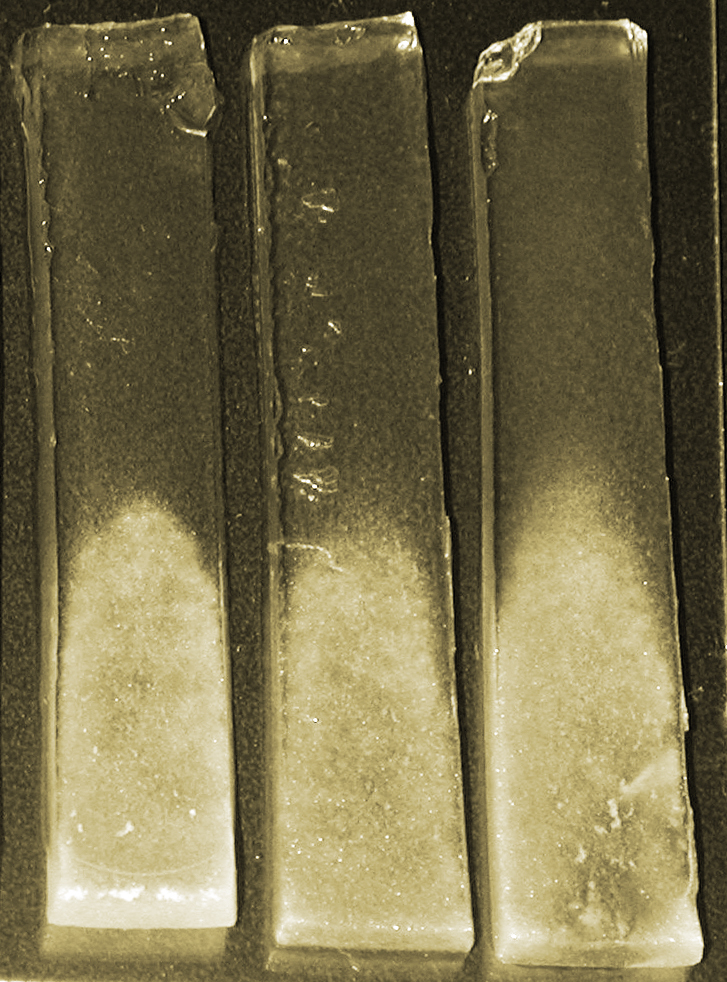 01
01BIOMATERIALS
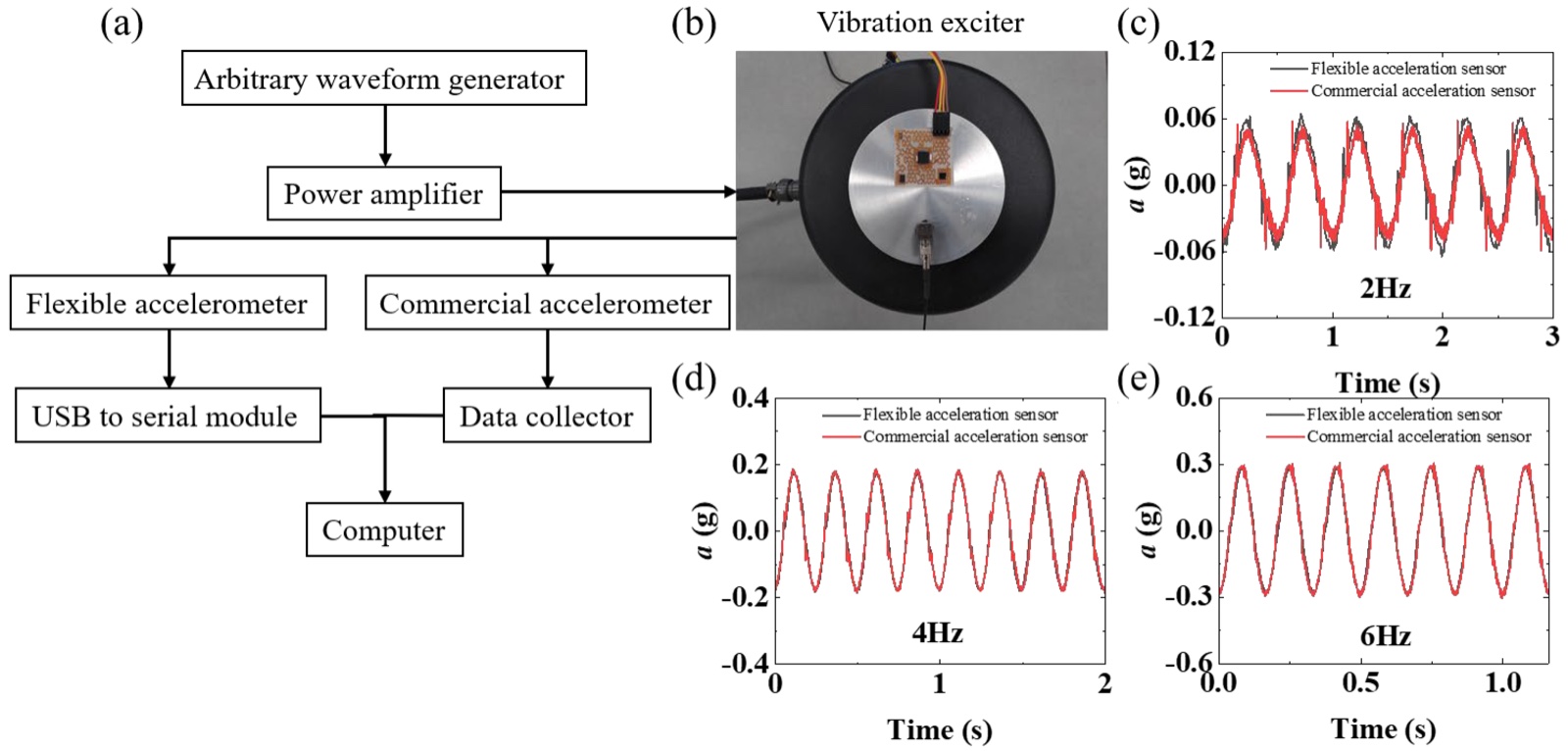 02
02SENSING
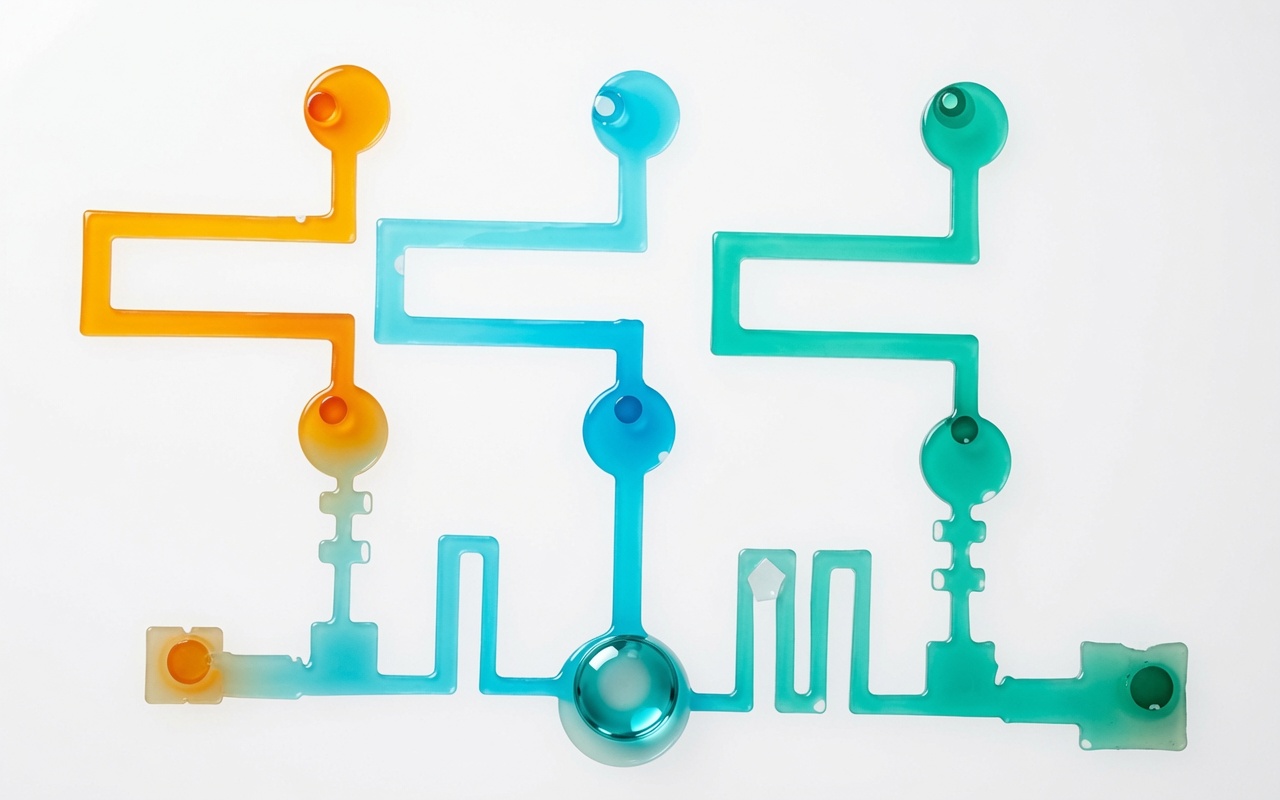 03
03MICROENGINEERING
HOW THE WORK DEVELOPS
Every stage ends with a concrete decision or deliverable.
ORIENT
DEFINE
BUILD
DEFEND
INTERNATIONAL CONFERENCE SUPPORT
A conference is not an experience to purchase. Submission should depend on originality, evidence quality, topic fit, and the organizer's requirements. The student must understand and present the work.
Review the organizer, academic scope, submission type, deadlines, fees, and attendance format—and avoid venues that are opaque or poorly matched to the work.
Build every claim from actual data. The student verifies the question, methods, results, and limitations and remains able to explain each choice.
Practice figures, controls, uncertainty, and next steps so the student can respond to technical questions clearly and honestly.
Important: Submission is recommended only when the project and timeline are ready. Acceptance, publication, travel visas, awards, and other outcomes are not guaranteed. Organizers review submissions independently; LiLab is not affiliated with or endorsed by any conference named during planning.
LABORATORY DIRECTIONS & RESOURCES
My laboratory platform connects materials, devices, and measurable data. Access depends on project scope, safety, available capacity, and the student's readiness to work independently.

RESEARCH BACKGROUND
Mentor to ISEF Global Finalists · Scientist · Inventor
I hold a PhD from a U.S. university and completed postdoctoral training at UCSF and Stanford. My work spans biomaterials, regenerative medicine, flexible biosensing, and microfluidics. I am based in Guangzhou, China, and mentor students worldwide.
Students I have mentored have also received admission offers from Cornell University and the University of Pennsylvania. Admission reflects a student's complete record; no single research experience determines an outcome.
I review the decisions that determine whether a project is coherent, feasible, and defensible.
I require students to keep original records and explain every figure, choice, and limitation.
I give rigorous, candid guidance without promising publications, awards, advancement, or admission outcomes.
I welcome referrals from counselors and educational advisors seeking credible biomedical research guidance for a student.
WAYS TO WORK WITH DR. LI
Scope is confirmed only after the student's background, current work, and available resources are reviewed.
EXISTING COMPETITION PROJECT
SELECTIVE
DEFINED TARGET EVENT
Competition integrity and outcomes. Guidance follows the applicable event rules and keeps the research student-owned. Competition eligibility, advancement, judging decisions, awards, publication, and admission outcomes are not guaranteed.
RESEARCH GUIDES
Use these guides to evaluate readiness, project direction, and the level of scientific support a student may need.
A practical checklist for mentor access, student ownership, safety, deliverables, and responsible claims.
Read the guide ↗ISEF & SCIENCE FAIRPlan backward from the affiliated fair, approval requirements, pilot work, and evidence—not from the final poster.
Read the guide ↗BIOELECTRONICSWhat students can learn from a complete platform before defining and validating an independent device.
Read the guide ↗BEFORE STARTING
Grades 9–10 are often ideal for building research judgment. Older students can begin with a focused review if they already have a topic, proposal, data set, abstract, or poster.
No. A strong project begins with a clear question and a feasible method. Materials testing, sensor calibration, imaging, and public data can all support serious work. Biological studies require appropriate facilities, supervision, safety review, and approval.
No. Dr. Li provides scientific guidance, milestone review, and candid feedback. Competition, publication, and admission outcomes depend on many factors outside any mentor's control.
The student must understand and defend the research question, method, data, uncertainty, limitations, and next experiment. Mentorship strengthens judgment; it does not replace student work.
No. Dr. Li provides selective, fee-based professional remote research mentorship. Students complete any experimental work locally with appropriate supervision and safety provisions; the program does not sell laboratory access or guarantee outcomes.
BEGIN WITH CONTEXT
Only grade, email, and primary interest are required. I review every inquiry personally and recommend an appropriate next step.
PROGRAM TUITIONTuition details are discussed during the consultation after Dr. Li reviews the student's goals and project scope.

Search this exact account name to find me.
 Scan to open Xiaohongshu